Why the Dashboard Is Not Always Enough
Link analytics dashboards are great for quick checks—how many clicks today, which country leads, which referrer dominates. But marketers, founders, and agencies often need data elsewhere: client slide decks, quarterly spreadsheets, combined reports with ad spend, or custom analysis in Python or R. CSV export closes that gap by giving you raw click history you can manipulate on your own terms.What CSV Export Includes
When you export invocation history from Viso.li, you get row-level data for each click on a selected link within your chosen time range. Depending on available metadata, exports can include:- Timestamp — When the click occurred
- Geographic data — Country, region, or city where available
- Referrer — Where the visitor came from
- Device and client details — Device type, operating system, and related client information
- Network data — ASN or network information where captured
Common Reporting Workflows
Client and Stakeholder Reports
Agencies export click data to attach to monthly performance reports. Raw rows prove engagement beyond top-line numbers and let clients verify trends independently.Spreadsheet Analysis
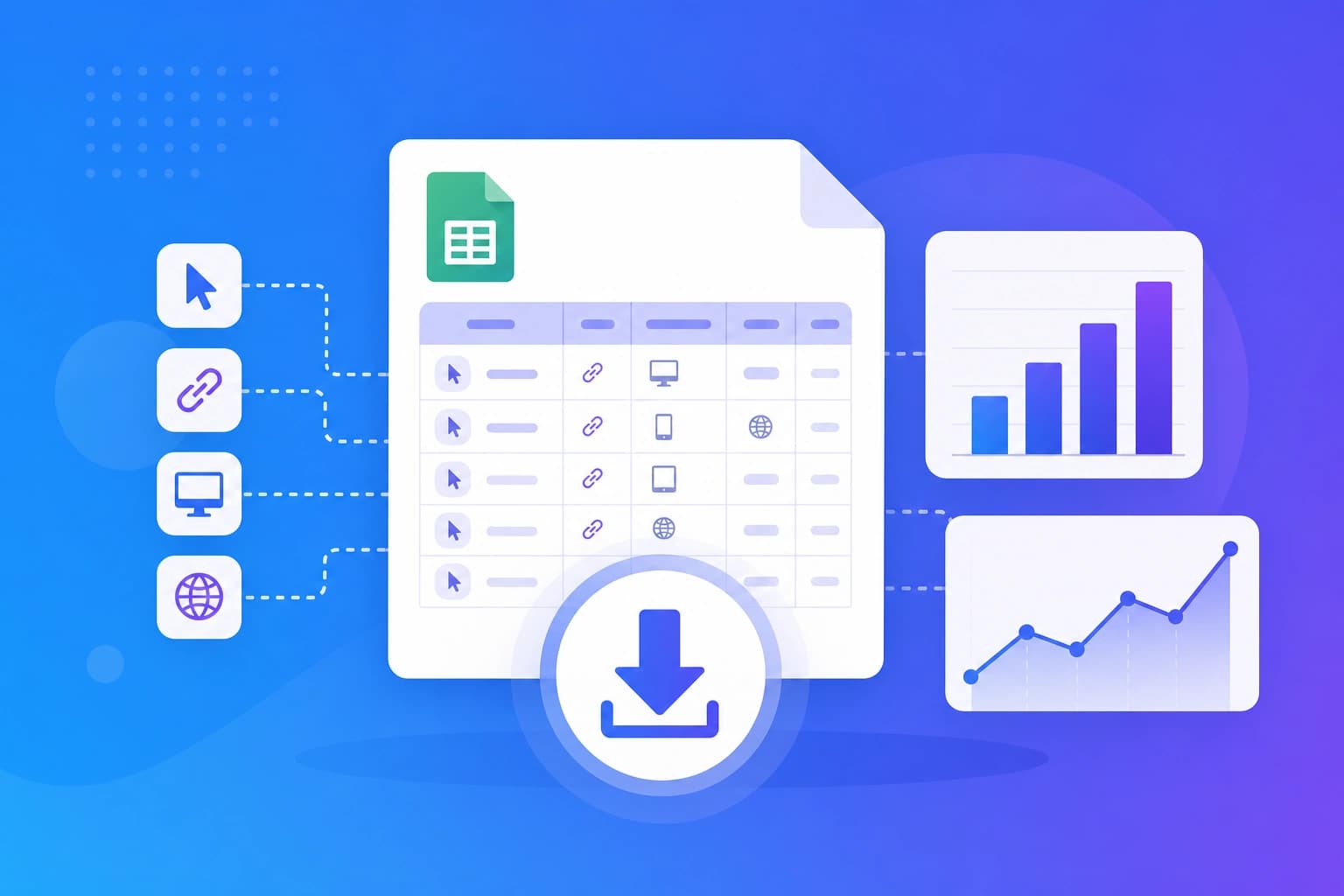
Import CSV data into Excel or Google Sheets to pivot by date, country, or referrer. Combine link data with ad spend or email open rates for a unified view.Internal Dashboards
Data teams pipe CSV exports—or automated exports on a schedule—into BI tools for custom visualizations aligned with company KPIs.Archival and Compliance
Retain click history beyond dashboard retention windows by archiving exports locally. Viso.li retention varies by plan—from one year on Free to five years on Enterprise.How to Export from Viso.li
- Open the link you want to analyze in your dashboard.
- Select the time range that matches your reporting period.
- Use the CSV export option to download invocation history.
- Open the file in your spreadsheet or analysis tool of choice.